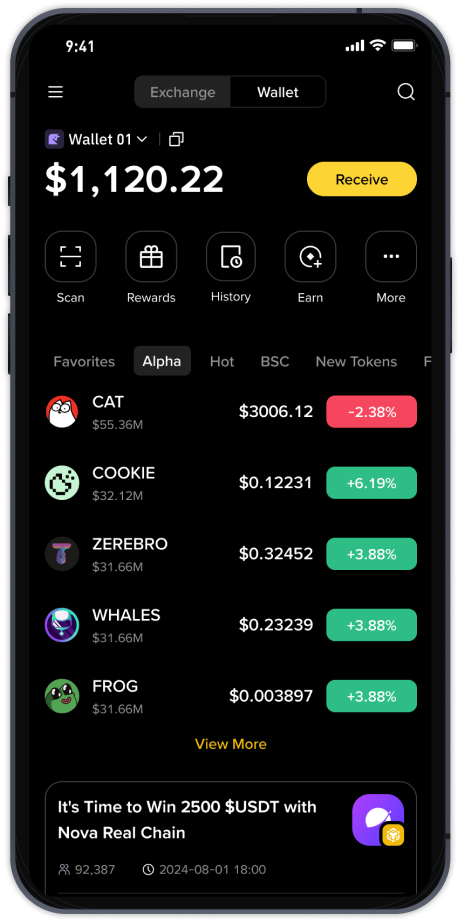
Is Binance a Legitimate Crypto Exchange? A Complete Guide to Safe Trading Operations
When searching for "Is Binance a legitimate exchange and how to operate it," many new cryptocurrency users are seeking clarity on both the platform’s regulatory status and its practical usage. This article breaks down the key aspects of Binance’s legitimacy and provides a step-by-step operational guide.
First, understanding Binance’s legitimacy requires a look at its global regulatory footprint. Binance is currently the world’s largest cryptocurrency exchange by trading volume, but its legal status varies by jurisdiction. The platform has obtained regulatory licenses or registrations in multiple countries, including the United Arab Emirates (Dubai VARA), France (AMF), Bahrain, and New Zealand. However, it is important to note that Binance is not fully regulated in the United States. The U.S. affiliate, Binance.US, operates separately and is regulated by FinCEN. For most users outside restricted regions, Binance is considered a legitimate and secure platform for trading, though local laws should always be checked.
To operate Binance safely, begin with account creation. Visit the official Binance website or download the app from trusted sources. Use a strong password and enable two-factor authentication (2FA) via Google Authenticator or SMS. Verify your identity by completing the KYC (Know Your Customer) process. This requires submitting a government-issued ID and a selfie. Without KYC, you may face withdrawal limits and restricted access to certain services.
Depositing funds is your next step. Binance supports multiple deposit methods: bank transfers, credit or debit cards, and cryptocurrency transfers. For beginners, using a credit card to buy stablecoins like USDT or BUSD is the fastest option. Navigate to "Buy Crypto" on the dashboard, select your fiat currency, amount, and payment method. For advanced users, transferring crypto from another wallet is free from fees for most tokens.
Once your account is funded, you can start trading. The "Spot Trading" interface is the most common entry point. Select a trading pair, such as BTC/USDT. Use "Limit Order" to buy at a specific price or "Market Order" for instant purchase at current market price. For risk management, Binance also offers "Stop-Limit" orders to minimize losses. Beginners should start with small amounts and use the "Demo Trading" feature if available in your region.
Security is paramount when operating Binance. Always use a dedicated email for your account and never share your API keys. Enable the "Anti-Phishing Code" feature in security settings. For large holdings, consider moving assets to a hardware wallet (like Ledger or Trezor) rather than leaving them on the exchange. Binance also offers a "Savings" account for earning small interest on idle crypto, but this carries counterparty risk.
Finally, understand withdrawal procedures. To cash out, go to "Wallet" > "Fiat and Spot" > "Withdraw." For fiat withdrawals, funds typically take 1-3 business days to reach your bank account. Crypto withdrawals require you to double-check the receiving address. Always send a small test amount first. Binance charges variable withdrawal fees depending on the cryptocurrency and network congestion.
In summary, Binance is a legitimate exchange globally (with jurisdictional caveats) and offers a robust platform for trading. Operation is straightforward if you follow security best practices: verify your account, use 2FA, start with small trades, and withdraw profits to secure storage. Always research local regulations before depositing large sums.