Is Binance Still Reliable in 2025? A Deep Dive Into Features, Security & User Feedback
Binance, often referred to as "BA" by Chinese-speaking traders, remains the world’s largest cryptocurrency exchange by trading volume. When people search for "ba binance exchange how is it," they are typically asking three things: is it safe to use, are the fees low, and is the platform suitable for both beginners and advanced traders. Let’s break down the current state of Binance based on recent updates and user experience.
Security and Regulation
One of the most common concerns about Binance is regulatory compliance. Over the past two years, Binance has moved its headquarters to Dubai and has obtained licenses or in-principle approvals in 16 jurisdictions, including France, Italy, and the UAE. However, the exchange is still banned or restricted in some major markets like the United Kingdom and the United States (where Binance.US operates separately). For users in countries where Binance is fully accessible, the platform now uses a mandatory know-your-customer (KYC) system, which adds a layer of security but also removes the pseudo-anonymity it once had. In terms of fund safety, Binance maintains a Secure Asset Fund for Users (SAFU) that holds over $1 billion in assets as an emergency insurance pool. As of 2025, there have been no major security breaches since the $570 million BNB chain bridge hack in 2022, which was fully reimbursed.
Trading Fees and Features
Binance is widely praised for its low trading fees. The standard maker/taker fee is 0.1%, but it can drop to 0.02% if you use the native BNB token to pay fees or if you have a high trading volume. This is significantly cheaper than many US-based exchanges like Coinbase, which charges around 0.5% to 3% per trade. For advanced traders, Binance offers features like futures trading with up to 125x leverage, margin trading, staking, and a robust earn program. It also supports spot trading for over 600 coins, including major tokens like Bitcoin, Ethereum, and Solana, as well as new altcoins and meme coins. The platform’s liquidity is also a strong point—since it processes the most volume globally, users rarely face slippage issues on major pairs.
User Experience and Customer Support
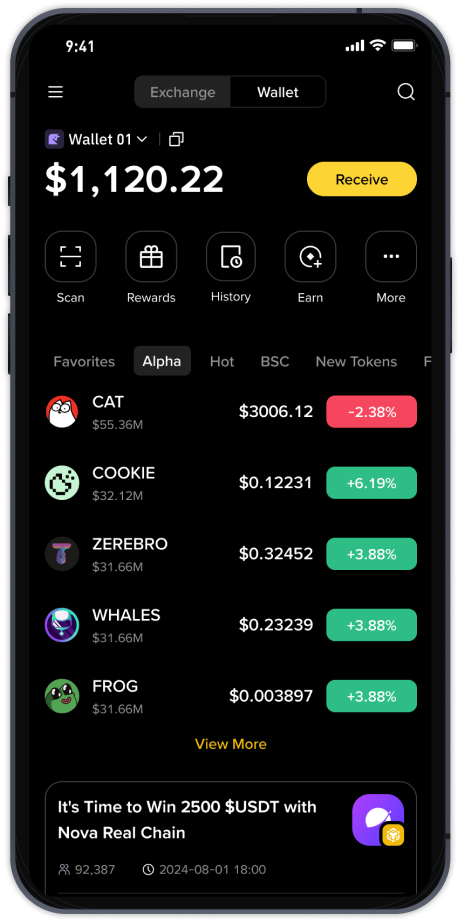
The Binance web and mobile interfaces are generally intuitive. Beginners can start with a "Lite" mode that simplifies buying and selling, while the "Pro" mode offers full charting tools from TradingView, limit orders, and stop-loss orders. However, customer support is where Binance receives mixed reviews. While the exchange has improved its ticket system and now offers 24/7 chat support, many users report longer wait times during peak market surges. The platform also recently introduced a "Binance Academy" section, which provides free tutorials on blockchain and trading—a helpful resource for newcomers.
Pros and Cons Summary
On the positive side: low fees, high liquidity, a huge selection of tokens, and strong security measures (SAFU, 2FA, and whitelisting). On the downside: regulatory uncertainty in some regions, a somewhat confusing compliance process for users in restricted countries, and occasional withdrawal delays during high volatility periods. The exchange also has a somewhat steep learning curve for its advanced features.
In conclusion, Binance is still a top-tier exchange for crypto trading in 2025, especially for those who prioritize low costs and a wide asset selection. If you can complete the KYC process and you are located in a supported country, it is generally considered reliable. However, if you are in a region with strict crypto laws or prefer a simpler, more regulated experience, you might consider alternatives like Kraken or Bybit. Always store your long-term holdings in a personal wallet rather than leaving them on the exchange.